
Sleep is essential for both mental and physical well-being. Yet, most of us overlook the role that bedding plays in achieving a restorative night’s rest. The type of comforter you choose can influence everything from your body temperature to your skin health. Among modern materials, Eucalyptus Lyocell Comforters are emerging as a top choice for those who seek a combination of comfort, sustainability, and health-conscious living.
In this article, we’ll explore the unique qualities of these comforters, discuss why materials matter in bedding, and share practical information about choosing the right bedding for your home.
Why Bedding Material Matters
Many people focus on thread count or aesthetic appeal when choosing a comforter, but the material itself is equally important. Materials like cotton, synthetic blends, and silk offer varying levels of softness, breathability, and temperature regulation. However, environmental impact and hypoallergenic properties are often overlooked.
Enter Eucalyptus Lyocell Comforters. Derived from sustainably sourced eucalyptus trees, Lyocell is a plant-based fiber known for its silky softness and eco-friendly production process. It combines natural comfort with high-performance qualities that modern sleepers are seeking.
The Science Behind Eucalyptus Lyocell
Lyocell fibers are produced through a process that dissolves eucalyptus pulp into a non-toxic solvent, which is then reformed into soft, durable fibers. Unlike conventional cotton or polyester, Lyocell is naturally breathable, moisture-wicking, and gentle on sensitive skin.
These properties make super soft bed comforter options particularly appealing for people prone to night sweats, allergies, or sensitive skin conditions. The fiber’s smooth surface also reduces friction against your skin, minimizing irritation and hair damage while you sleep.
Health and Comfort Benefits
Hypoallergenic and Skin-Friendly: Eucalyptus Lyocell fibers are naturally hypoallergenic, reducing the likelihood of allergic reactions. This makes them ideal for anyone looking for an organic bed comforter that supports skin health.
Temperature Regulation: The fiber structure allows air to circulate, keeping you cool in the summer and cozy in the winter.
Moisture Management: Lyocell fibers absorb moisture efficiently and release it, preventing dampness or a clammy feeling during sleep.
Eco-Conscious Choice: Sourcing and processing eucalyptus Lyocell uses less water and fewer chemicals than traditional cotton.
Durable Yet Soft: Despite its delicate feel, Lyocell is strong and resistant to pilling or tearing, offering a long-lasting bedding solution.
Daily Comfort Without Compromise
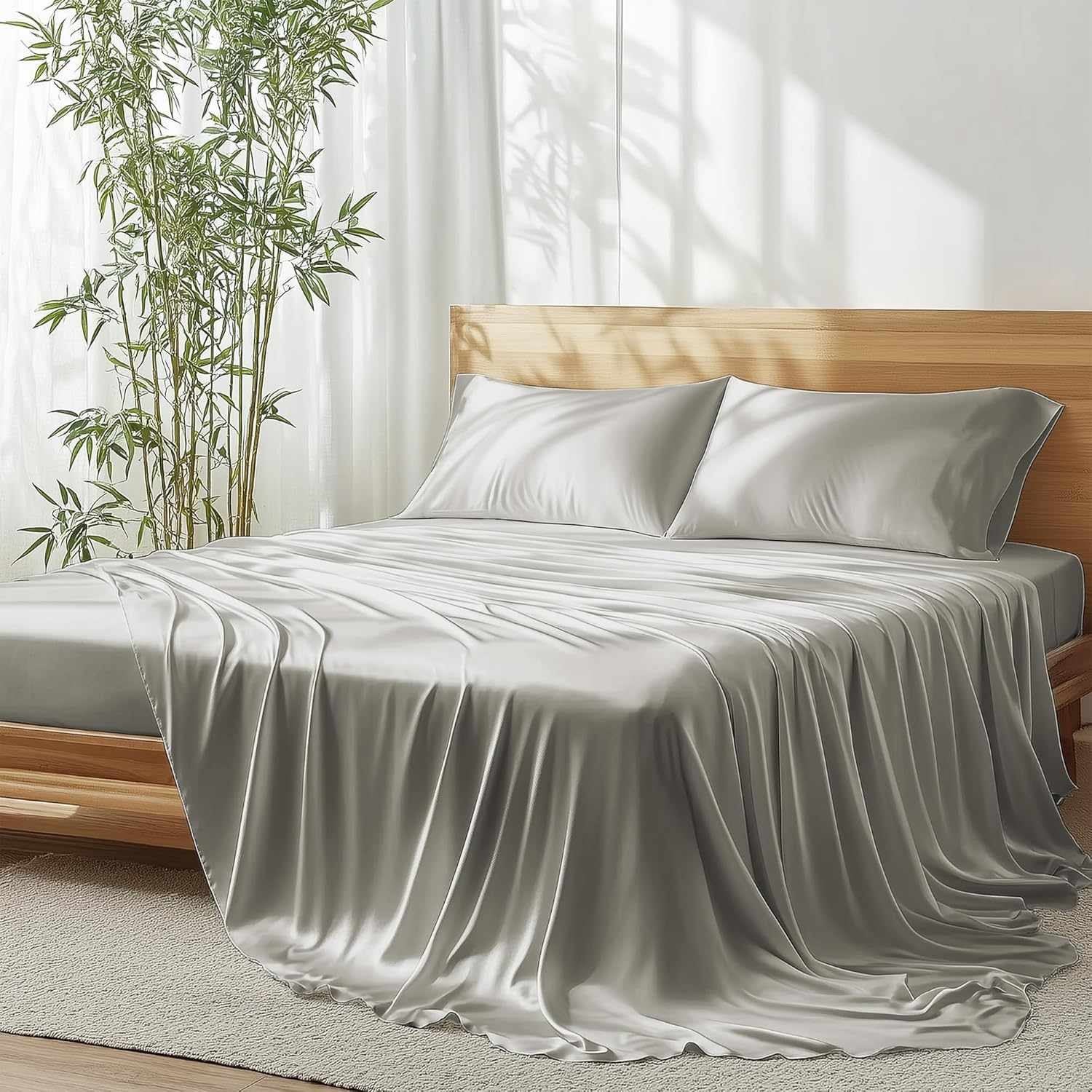
While some eco-friendly bedding can feel stiff or clinical, Eucalyptus Lyocell Comforters offer a luxurious, soft texture similar to silk. Unlike many synthetic materials, they maintain their softness after repeated washing, ensuring comfort for years without the environmental drawbacks of polyester.
Using a comforter made from sustainable fibers doesn’t just benefit the environment; it enhances your personal well-being. Sleeping under materials that are breathable, hypoallergenic, and naturally moisture-managing can reduce disruptions and improve overall sleep quality.
How to Choose the Right Comforter
Selecting a comforter is more than picking the softest option. Here are some tips for choosing organic bed comforter options like eucalyptus Lyocell:
Check Certifications: Look for OEKO-TEX or GOTS certification to ensure that the comforter is free from harmful chemicals.
Consider Fill Weight: Depending on your climate, choose a comforter with a fill weight that keeps you warm without overheating.
Assess Maintenance Needs: Lyocell comforters are machine washable and require minimal care compared to down alternatives.
Prioritize Breathability: Breathable fibers prevent night sweats and improve airflow for a more restful sleep.
Mind Your Skin Sensitivities: If you have allergies or sensitive skin, hypoallergenic comforters are highly recommended.
Eucalyptus Lyocell Comforters vs. Traditional Bedding
Compared to cotton or polyester, eucalyptus Lyocell has several distinct advantages:
Softness: Comparable to silk, without the high maintenance.
Eco-Friendliness: Lower water and chemical usage in production.
Hypoallergenic: Natural resistance to dust mites and allergens.
Temperature Regulation: Stays comfortable across seasons.
By selecting the right bedding, you’re not only investing in sleep quality but also making an environmentally responsible choice.
Product Snapshot
While this article is informational, here’s a brief overview of features you might notice in Eucalyptus Lyocell Comforters:
Crafted from certified sustainable eucalyptus fibers for a silky texture.
Hypoallergenic and suitable for sensitive skin.
Lightweight yet insulating, ideal for year-round comfort.
Durable and resistant to pilling and tearing.
Moisture-wicking and breathable, enhancing sleep quality.
Easy to care for with machine-washable properties.
Integrating Super Soft Bed Comforters into Your Routine
Incorporating these comforters into your daily life is simple. Pair them with soft sheets and breathable pillowcases for a sleep environment that supports relaxation and restorative rest. Regular washing and gentle care will keep the fabric soft and lasting.
Even without marketing jargon, the benefits are clear: choosing a super soft bed comforter like this improves comfort, hygiene, and overall well-being while remaining eco-conscious.
FAQs
What makes eucalyptus Lyocell different from regular cotton?
Lyocell is more breathable, moisture-wicking, and smoother on the skin while requiring less water and chemicals in production.Are these comforters hypoallergenic?
Yes, they naturally resist allergens, making them suitable for sensitive skin.Can Lyocell comforters be washed in a machine?
Most are machine washable on gentle cycles, making maintenance easy.Do they provide enough warmth in winter?
Yes, lightweight yet insulating fibers keep you warm without overheating.Are they environmentally friendly?
Absolutely, eucalyptus Lyocell is produced sustainably with minimal water and chemicals.How long do these comforters last?
With proper care, Lyocell comforters maintain softness and durability for many years.Can they help with night sweats?
Yes, the fibers wick moisture and allow airflow, keeping you comfortable.Are they suitable for children?
Yes, hypoallergenic and gentle on skin, they are safe for all ages.Do they require special bedding accessories?
No, they can be paired with standard sheets and pillowcases.Is this bedding a good alternative to silk?
Yes, it provides a silk-like texture without the high maintenance or ethical concerns of traditional silk.








Write a comment ...