
Selecting the right bolts and anchors for concrete projects is more important than many realize. Using the wrong type can lead to weak structural connections, safety hazards, and costly repairs. Whether you are a professional contractor or a DIY enthusiast, understanding the nuances of concrete bolts and anchors is essential to ensuring durable and safe installations.
In this article, we’ll explore common mistakes people make when choosing concrete fasteners, share tips to avoid them, and highlight the different types of concrete screws, anchor bolts, and masonry bolts that are most reliable for various applications.
Why Choosing the Right Concrete Bolts Matters
Concrete is a durable material, but it presents unique challenges when it comes to fastening. Using the right concrete fixings ensures:
Strong load-bearing support
Longevity of installed fixtures
Reduced risk of structural failure
Time and cost efficiency during installation
Many issues arise from choosing bolts and anchors that are incompatible with the type of concrete, load requirements, or environmental conditions.
Common Mistakes to Avoid
1. Not Considering Load Requirements
One of the biggest mistakes is ignoring the load the bolt or anchor must bear. Heavy-duty bolts and anchor bolts concrete are designed for substantial loads, while standard screws for concrete may fail under heavy pressure. Always check the manufacturer’s specifications to match the bolt to the expected load.
2. Ignoring Concrete Type
Concrete can vary in density and hardness. Using self-tapping concrete bolts or cement screws on soft concrete can cause cracking, while harder concrete may require pre-drilling to prevent damage. Understanding the concrete type ensures the correct choice of concrete screw bolts or concrete fixing screws.
3. Wrong Bolt Length
Using bolts that are too short or too long can compromise safety. Bolts must penetrate the concrete to the recommended depth without causing splitting or protruding unnecessarily. Masonry bolts and concrete anchors have specific sizing recommendations for optimal performance.
4. Overlooking Environmental Conditions
Concrete fixtures often face exposure to moisture, chemicals, or temperature fluctuations. Choosing the wrong material may lead to rust or weakening over time. Stainless steel or galvanized concrete fasteners are ideal for durability and corrosion resistance.
5. Improper Installation Techniques
Even the best concrete wall fixings or anchor bolts for concrete will fail if installed incorrectly. Ensure proper drilling, cleaning of the hole, and correct torque to achieve maximum holding power.
6. Skipping Manufacturer Guidelines
Many problems arise from ignoring installation instructions. Always refer to guidelines for types of concrete bolts, spacing, and torque limits to ensure structural integrity.
Types of Concrete Bolts and Anchors
Understanding the different options can make selection easier:
Concrete screws: Ideal for light to medium loads, easy to install, and remove if needed.
Anchor bolts: Provide heavy-duty support for structural connections.
Masonry bolts: Great for solid brick or block installations.
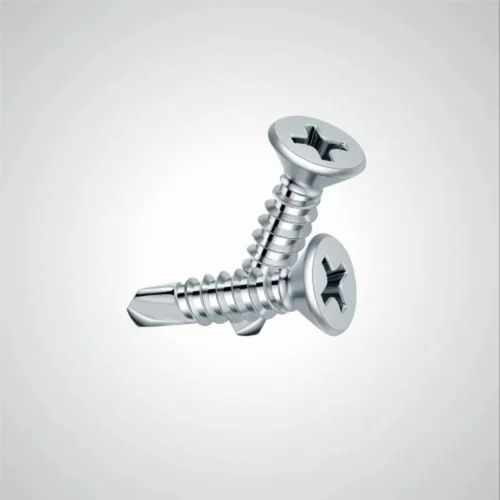
Self-tapping bolts: Drill and fasten in one step, saving time for medium loads.
Heavy-duty concrete bolts: For industrial or high-load applications.
Concrete fixing bolts and screws: General-purpose fasteners for walls, floors, and machinery.
Benefits of Using Quality Concrete Bolts
While this article isn’t a product pitch, using reliable concrete anchors and fixing bolts ensures:
Strong structural integrity
Resistance to loosening over time
Compatibility with various concrete types
Ease of installation and maintenance
Long-lasting performance under heavy loads
Safety and peace of mind for any construction project
Tips for Choosing the Right Concrete Bolt
Assess the load your installation will bear.
Consider the type and hardness of your concrete.
Choose the right bolt length for proper anchoring.
Factor in environmental exposure (moisture, temperature).
Follow manufacturer guidelines for installation.
Invest in quality concrete fasteners from trusted sources.
FAQs
Question: What is the difference between concrete screws and anchor bolts?
Answer: Concrete screws are for lighter loads and easier removal, while anchor bolts provide heavy-duty structural support.
Question: Can I use masonry bolts in soft concrete?
Answer: It’s not recommended; softer concrete may crack. Self-tapping bolts or shorter screws are better options.
Question: How deep should I drill for anchor bolts?
Answer: Depth depends on bolt type and load. Always refer to manufacturer specifications to prevent failure.
Question: Are stainless steel bolts necessary for outdoor projects?
Answer: Yes, stainless steel resists rust and corrosion, ensuring long-term performance.
Question: Can I reuse concrete anchors?
Answer: Typically, no. Once installed, most anchors cannot maintain their original holding power if removed.
Question: What’s the difference between self-tapping and standard concrete bolts?
Answer: Self-tapping bolts drill and fasten simultaneously, saving time, while standard bolts may require pre-drilling.
Question: How do I prevent cracking when installing heavy-duty bolts?
Answer: Use the correct size drill bit, avoid over-tightening, and follow load and depth recommendations.
Question: Are all concrete fasteners suitable for walls and floors?
Answer: No, choose concrete wall fixings or floor-specific fasteners based on installation surface.
Question: How can I ensure the longevity of my concrete bolts?
Answer: Select high-quality materials, avoid corrosion exposure, and install according to guidelines.
Question: What are the best bolts for masonry?
Answer: Masonry anchor bolts and heavy-duty concrete bolts are most reliable for solid brick or block installations.







Write a comment ...