When it comes to construction or home improvement projects, the strength and durability of your installations rely heavily on using the right concrete bolts and anchors. Many people overlook the critical differences between concrete screws, anchor bolts, and masonry bolts, which can lead to weak connections, safety risks, and costly repairs.
This article explores common mistakes in choosing concrete fixings, provides practical guidance for correct selection, and explains the types of concrete fasteners suitable for different applications.
Why Choosing the Right Concrete Fasteners is Important
Concrete may appear solid, but improper fastener selection can compromise its integrity. The right self-tapping bolts, concrete anchors, or fixing bolts help ensure:
Secure and stable fixtures
Long-lasting structural strength
Reduced risk of cracking or loosening
Efficient installation and maintenance
Understanding load requirements, concrete type, and installation techniques is essential to avoiding mistakes and ensuring safe and reliable installations.
Common Mistakes to Avoid
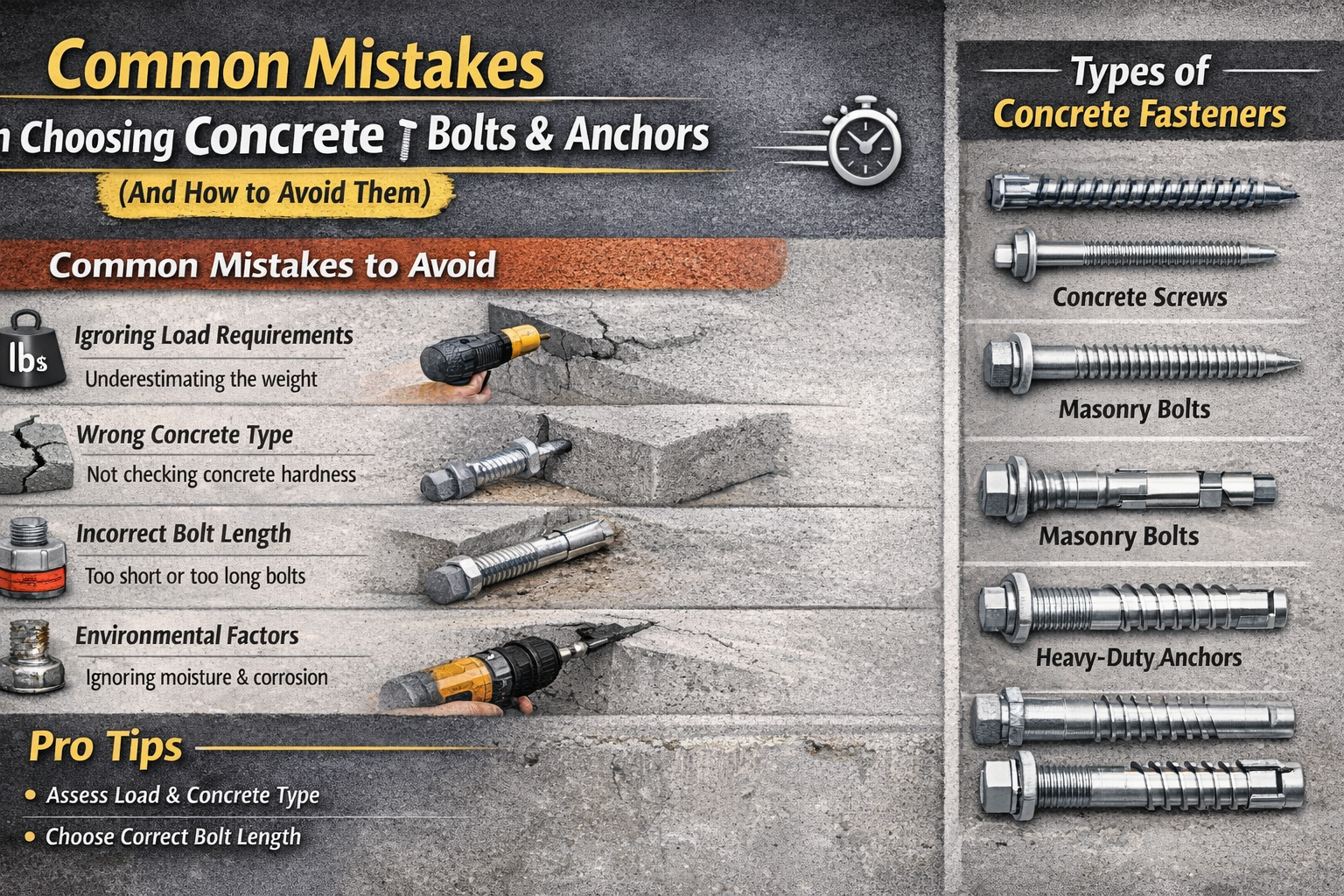
1. Neglecting Load Capacity
A frequent error is selecting bolts without considering the load. Light-duty screws for concrete are insufficient for heavy-duty applications. For projects requiring significant support, heavy-duty concrete bolts or anchor bolts are necessary to maintain safety and stability.
2. Ignoring Concrete Composition
Concrete varies in hardness and density. Masonry bolts work well in solid blocks but may cause cracks in softer mixes. In contrast, hard concrete often requires pre-drilling for self-tapping concrete bolts to prevent damage. Selecting concrete fixing bolts suited to the concrete type is crucial.
3. Incorrect Bolt Length
Bolts that are too short fail to hold fixtures securely, while excessively long bolts can stress the concrete and create hazards. Follow recommended penetration depths for concrete screw bolts and concrete fixing screws to achieve optimal performance.
4. Overlooking Environmental Conditions
Outdoor installations or exposure to moisture can cause corrosion. Using stainless steel or coated heavy-duty bolts and concrete fasteners ensures long-term durability and performance under various environmental conditions.
5. Improper Installation Practices
Even high-quality anchor bolts for concrete fail if installed incorrectly. Proper drilling, cleaning of holes, and correct torque are essential for reliable results.
6. Disregarding Manufacturer Guidelines
Manufacturer instructions for types of concrete bolts provide critical information on spacing, depth, and torque. Ignoring these guidelines increases the risk of installation failure and structural damage.
Types of Concrete Bolts and Anchors
Familiarity with available fasteners helps you make informed choices:
Concrete screws: Easy to install, removable, ideal for light to medium loads.
Anchor bolts: Provide heavy-duty support for structural applications.
Masonry bolts: Suitable for solid bricks, blocks, and stonework.
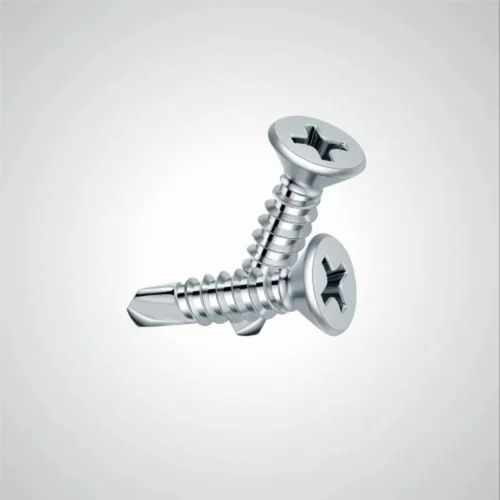
Self-tapping bolts: Drill and fasten in a single step, saving time.
Heavy-duty concrete bolts: Engineered for high-load industrial projects.
Concrete fixing bolts and screws: Versatile fasteners for walls, machinery, and floors.
Tips for Choosing the Right Fastener
Determine the load the installation must support.
Assess the concrete type for compatibility.
Select bolt length according to recommended penetration.
Consider environmental exposure to prevent corrosion.
Follow manufacturer instructions carefully.
Use high-quality concrete anchors and fixing bolts for long-term performance.
Informative Product Details
Our range of concrete bolts and anchors includes anchor bolts, self-tapping concrete bolts, masonry bolts, heavy-duty concrete bolts, and general concrete fixing screws. Designed for strength and corrosion resistance, these fasteners perform reliably in a variety of concrete types and applications. They provide secure, long-lasting installations for both professional projects and DIY work, ensuring structural integrity and safety without compromising ease of use.
FAQs
Question: What is the difference between concrete screws and anchor bolts?
Answer: Concrete screws are suitable for lighter loads and can be removed easily, while anchor bolts are designed for heavy-duty structural support.
Question: Can masonry bolts be used in soft concrete?
Answer: Soft concrete may crack under masonry bolts; self-tapping or shorter bolts are a better option.
Question: How deep should anchor bolts be installed?
Answer: Depth depends on bolt type and load. Always follow manufacturer specifications.
Question: Are stainless steel bolts necessary for outdoor use?
Answer: Yes, they resist rust and corrosion, ensuring long-lasting durability.
Question: Can concrete anchors be reused?
Answer: Most cannot, as their holding strength diminishes once removed.
Question: What are the benefits of self-tapping concrete bolts?
Answer: They allow drilling and fastening in one step, saving time while ensuring secure installation.
Question: How can I prevent cracking when installing heavy-duty bolts?
Answer: Use the correct drill size, avoid over-tightening, and follow the recommended depth guidelines.
Question: Are all concrete fasteners suitable for walls and floors?
Answer: No, select fasteners specifically for walls (concrete wall fixings) or floors based on the application.
Question: How do I ensure the longevity of concrete bolts?
Answer: Choose corrosion-resistant materials, install properly, and follow manufacturer guidelines.
Question: What are the best bolts for masonry?
Answer: Masonry anchor bolts or heavy-duty concrete bolts provide reliable support for solid blocks or bricks.







Write a comment ...