
Solar energy is becoming more popular across the UK. Rising electricity bills and growing environmental awareness are pushing more homeowners to invest in solar technology. However, many people still struggle to choose between Monocrystalline vs Polycrystalline Solar Panels systems.
Understanding the difference between these solar panel types is important before investing. This guide explains the key features, benefits, costs, efficiency levels, and performance differences to help you decide which option suits your home best.
What Are the Main Types of Solar Panels UK Homeowners Use?
There are several types of solar panels UK homeowners can choose from, but the two most common are monocrystalline and polycrystalline panels.
Monocrystalline Solar Panels
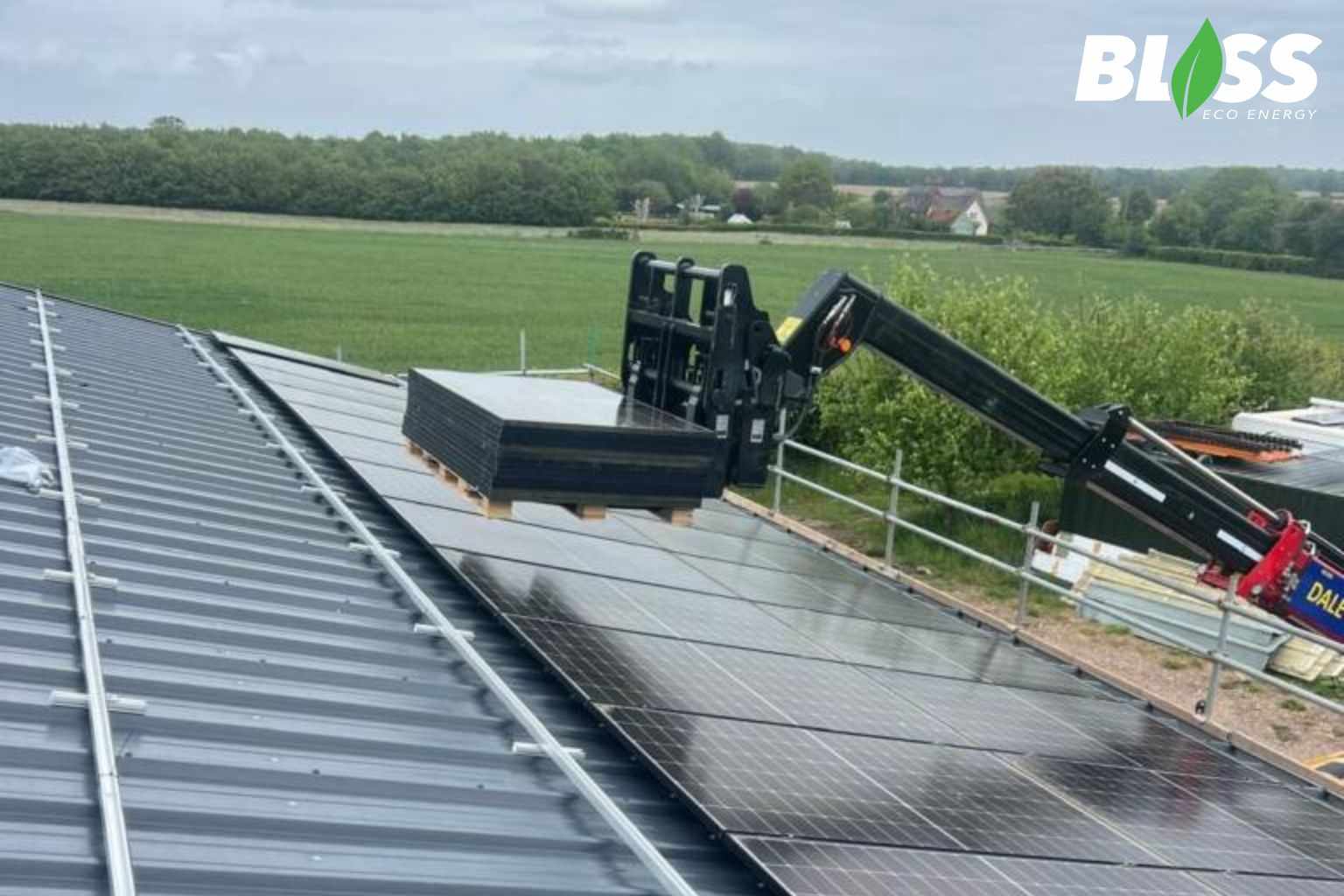
Monocrystalline panels are made from a single silicon crystal. This gives them a dark black appearance and a sleek design. They are known for high efficiency and excellent performance in limited roof spaces.
Polycrystalline Solar Panels
A polycrystalline PV panel is made using multiple silicon fragments melted together. These panels usually have a blue appearance and are more affordable than monocrystalline options.
When comparing polycrystalline versus monocrystalline, efficiency and price are usually the biggest deciding factors.
Understanding Polycrystalline Versus Monocrystalline Solar Panels
The debate around polycrystalline versus monocrystalline solar panels mainly focuses on efficiency, appearance, lifespan, and installation costs.
Efficiency Comparison
Monocrystalline panels are generally more efficient. They convert more sunlight into electricity because the silicon structure allows electrons to move more freely.
Most monocrystalline solar panels UK suppliers offer achieve efficiency rates between 18% and 23%.
A typical poly solar panel achieves efficiency rates between 15% and 18%.
This means monocrystalline panels can produce more electricity using less roof space.
Cost Differences
One major advantage of polycrystalline solar panels is affordability. Manufacturing costs are lower because the production process wastes less silicon.
If your budget is tight, polycrystalline vs mono comparisons often favour polycrystalline panels due to lower upfront costs.
However, monocrystalline systems may deliver better long-term savings because they generate more energy over time.
Read the full blog: Monocrystalline vs Polycrystalline Solar Panels: Which Is Better for UK Homes?
Mono vs Poly Solar Panels for UK Weather
The UK climate is not always sunny, so solar panel performance during cloudy weather matters.
Monocrystalline Panels in Low Light
Monocrystalline panels usually perform better in low light and overcast conditions. This makes them a strong option for UK homes where sunlight levels can vary throughout the year.
Polycrystalline Panels in UK Conditions
A poly solar panel still performs well in the UK, especially during brighter months. However, it may lose efficiency faster in shaded or cloudy conditions.
When discussing mono vs poly solar panels, many installers recommend monocrystalline systems for homes with smaller roofs or partial shading.
Appearance and Roof Design
Visual appearance matters for many homeowners.
Monocrystalline panels have a modern black finish that blends well with most UK roofs. They are often considered more premium in appearance.
A polycrystalline pv panel has a blue tone and visible crystal patterns. Some homeowners prefer the traditional look, while others prefer the cleaner design of monocrystalline panels.
If aesthetics are important, monocrystalline panels are usually the preferred choice.
Lifespan and Durability
Both solar panel types are durable and designed to last for decades.
Most quality monocrystalline systems come with warranties of 25 years or more. Polycrystalline panels also offer long lifespans but may degrade slightly faster over time.
In most polycrystalline vs mono comparisons, monocrystalline panels maintain stronger long-term efficiency.
However, both options can provide reliable energy production for many years when installed correctly.
Which Option Saves More Money?
The answer depends on your property size, roof space, and energy usage.
Monocrystalline Savings
Because monocrystalline panels generate more electricity, homeowners may see higher long term energy savings. This is especially true for homes with limited roof space.
Polycrystalline Savings
A polycrystalline solar system usually costs less to install. This can make solar energy more accessible for homeowners with a smaller budget.
For larger roofs with plenty of space, polycrystalline panels can still provide strong financial returns.
Mono or Poly Solar Panels for Small Roofs?
If your roof space is limited, monocrystalline panels are usually the better option. Their higher efficiency means you can generate more electricity with fewer panels.
When homeowners ask whether to choose mono or poly solar panels, roof size is one of the first things installers consider.
For larger roofs, polycrystalline panels can be a cost-effective solution.
Environmental Impact
Both panel types help reduce carbon emissions and support renewable energy use.
However, monocrystalline panels require a more energy-intensive manufacturing process. Polycrystalline panels generate less silicon waste during production.
Even so, both systems provide significant environmental benefits compared to fossil fuel energy sources.
Maintenance Requirements
Solar panels generally require very little maintenance.
Rain often helps clean dirt and debris naturally. Occasional inspections and cleaning are usually enough to maintain strong performance.
Both monocrystalline and polycrystalline solar systems are designed for long-term outdoor use in UK weather conditions.
How to Choose the Right Solar Panel for Your Home
Before selecting a system, consider the following:
Budget
If lower upfront cost matters most, a poly solar panel system may suit your needs.
Roof Space
Homes with limited roof space benefit more from monocrystalline technology.
Energy Goals
If you want maximum energy production and long-term efficiency, monocrystalline panels are often the better choice.
Appearance
Monocrystalline panels usually offer a more modern and premium appearance.
Future Trends in UK Solar Energy
The UK solar industry continues to grow rapidly. Advances in technology are improving efficiency and reducing costs for both panel types.
Many experts expect future types of solar panels that UK homeowners use to become even more efficient and affordable.
Battery storage systems are also becoming more popular. Combining solar panels with battery storage allows homeowners to store unused electricity for evening use.
Conclusion
Choosing between monocrystalline and polycrystalline solar panels depends on your budget, roof size, and energy goals.
When comparing polycrystalline versus monocrystalline, monocrystalline panels usually offer higher efficiency, better low-light performance, and a more modern appearance. They are ideal for smaller roofs and homeowners seeking maximum energy output.
On the other hand, polycrystalline solar panels provide a more affordable entry into renewable energy. They work well for larger roofs where space is not limited.
Understanding the differences between mono vs poly solar panels helps UK homeowners make informed decisions that support both financial savings and environmental sustainability.
FAQs
1. What is the main difference between monocrystalline and polycrystalline solar panels?
The main difference is efficiency and manufacturing style. Monocrystalline panels use a single silicon crystal, while polycrystalline solar panels use multiple silicon fragments.
2. Are monocrystalline solar panels better for UK weather?
Yes. Monocrystalline solar panels UK homeowners often install, perform better in cloudy and low-light conditions.
3. Is a polycrystalline PV panel cheaper than monocrystalline panels?
Yes. A polycrystalline PV panel usually costs less to manufacture and install.
4. Which is better for small roofs, mono or poly solar panels?
For smaller roofs, mono or poly solar panels comparisons usually favour monocrystalline panels because they produce more energy in less space.
5. Do poly solar panels last as long as monocrystalline panels?
Both types are durable and long-lasting. However, monocrystalline panels may maintain efficiency slightly better over time compared to a standard poly solar panel.













Write a comment ...